- Home
- Phnom Penh
- Russei Keo
- Toul Sangkae
- The Parkway
The Parkway
- Starts from $125,000
Project Details
-
Property ID 23263
-
Land Area 17000 m²
-
Property Type Condo Project
-
Deposit 50%
-
Grace Period N/A
-
Management Fee TBC
-
Developer Parkway Investment Group
Full Project Guide
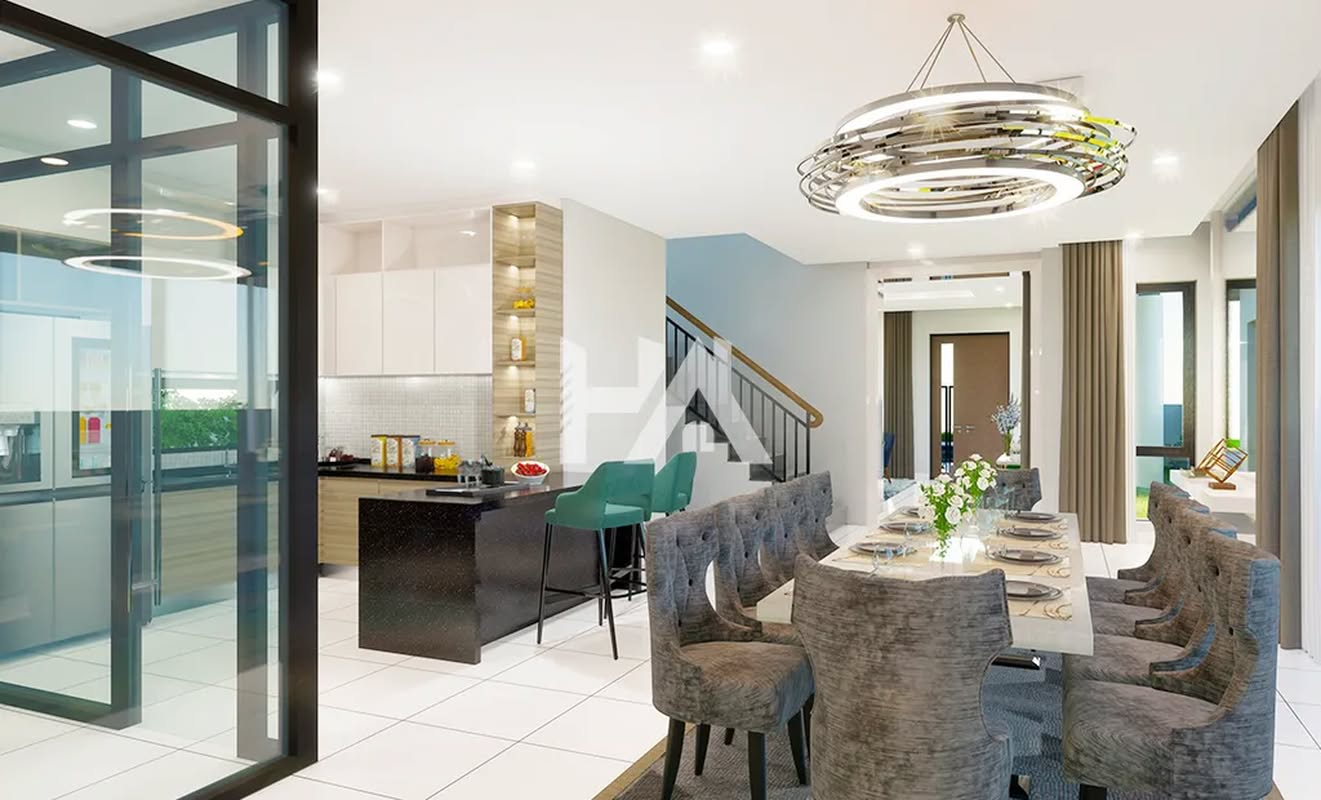
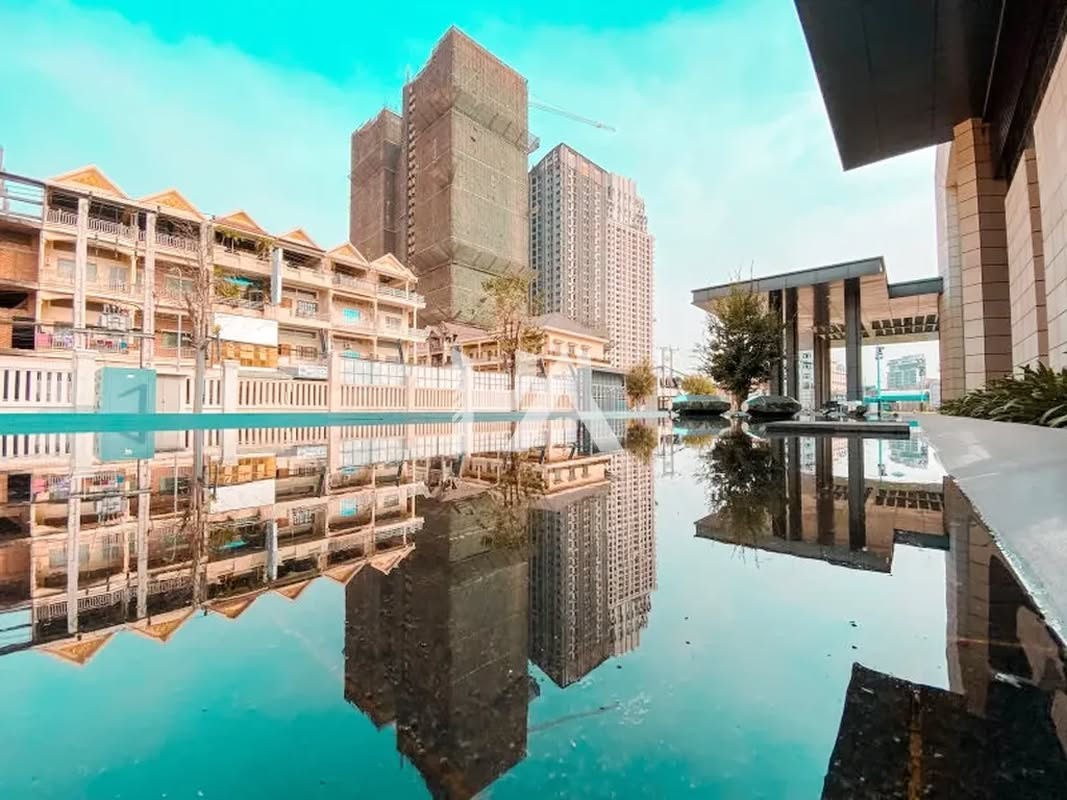
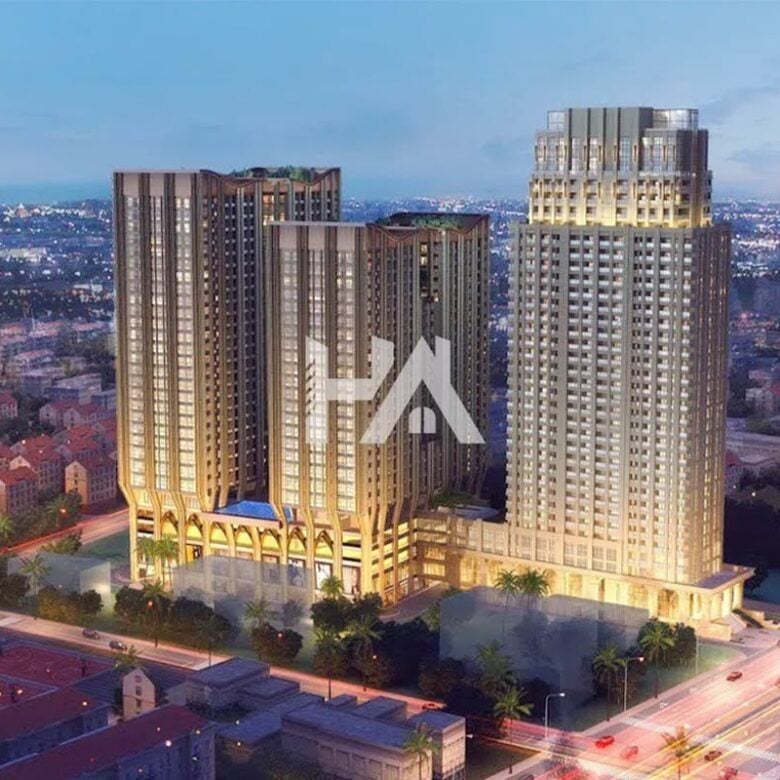
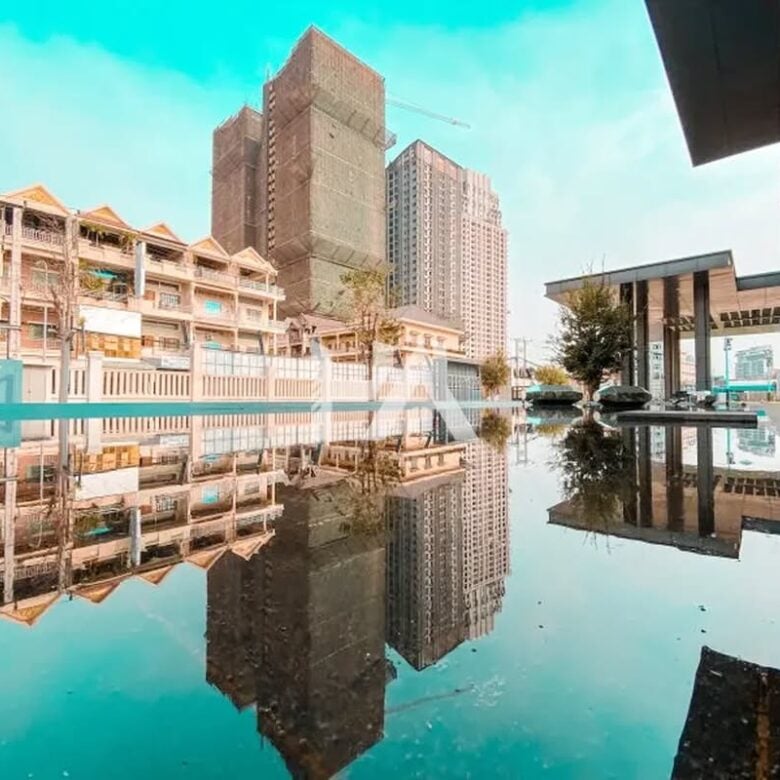
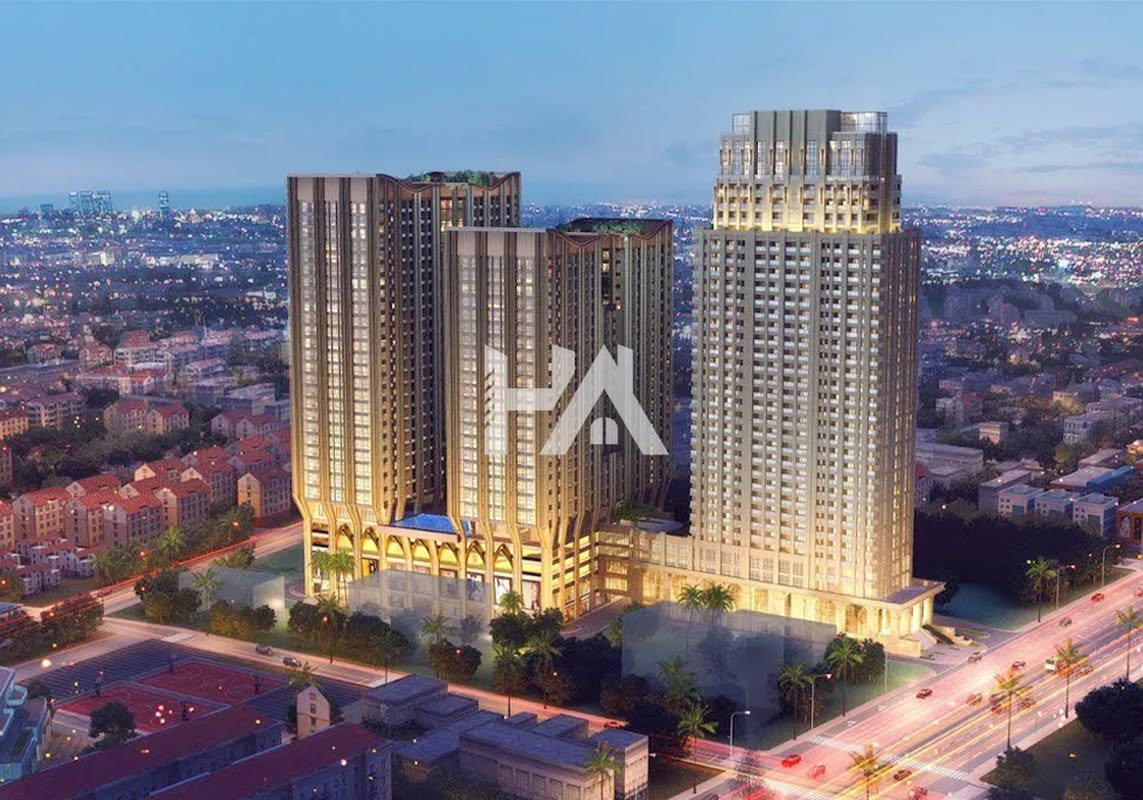
The Parkway is a large, completed high-rise condo development in Tuol Sangke, Russey Keo, positioned along Street 273 near the Toul Kork TV Tower area. It’s a dense, city-style project (36 floors) with a high unit count, so the overall feel is more “vertical community” than a small boutique condo.
Tuol Sangke sits right on the edge of the broader Toul Kork zone, so day-to-day life here is usually about being close to schools, gyms, cafes, local markets and the general Toul Kork/Tuol Sangke commercial strip. Street 273 is one of those roads that people use as a practical connector through this side of the city, so you can expect a fairly active streetscape and regular traffic at peak hours.
For rough orientation, some route estimates put it at around 7.6 km / 26 minutes by car to an Aeon mall area and about 17.1 km / 47 minutes to the airport (traffic-dependent, of course).
Project scale and “what it is”
This is best understood as a big mixed-use style development: residential condos plus on-site commercial activity and office-style space in the same complex (or directly connected buildings), which is why you’ll see both residential and office listings under The Parkway name.
Project stats commonly published for the development are 36 floors and 1,694 units, with completion shown as January 2020.
Unit types and sizing
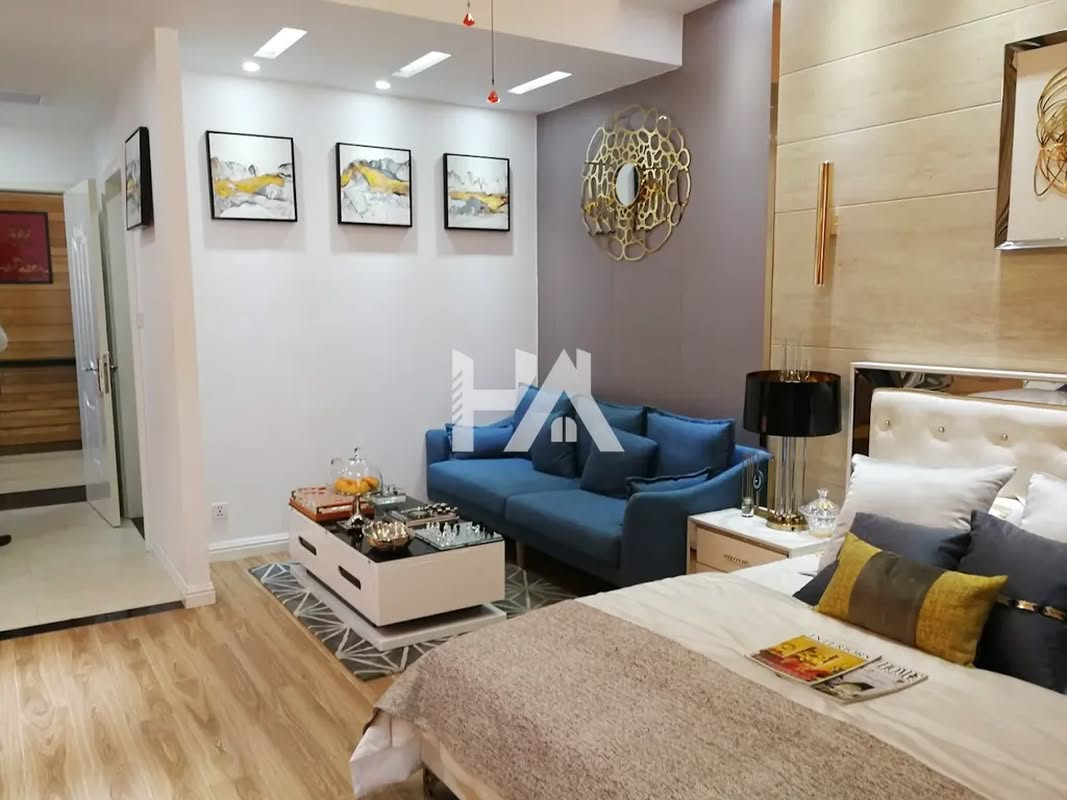
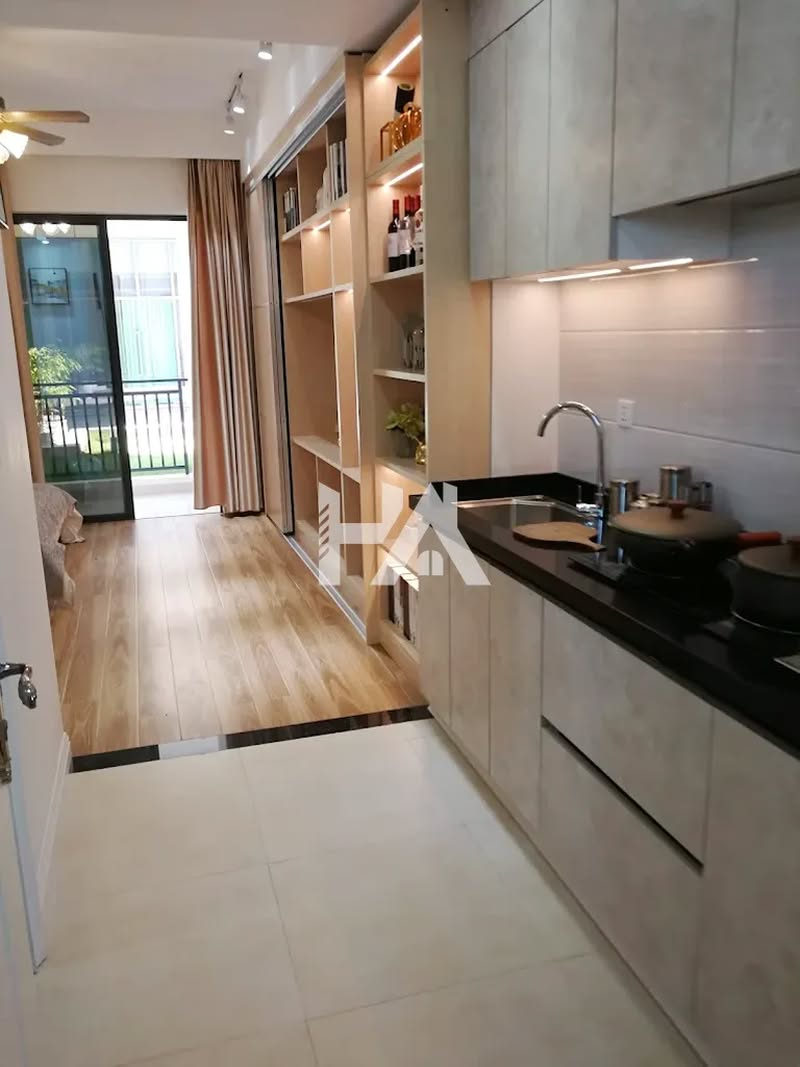
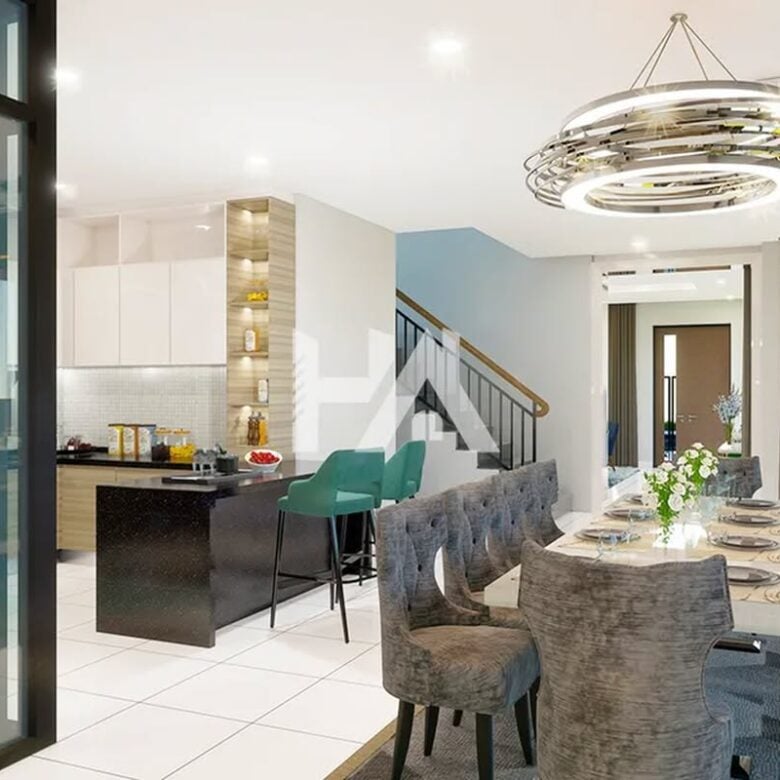
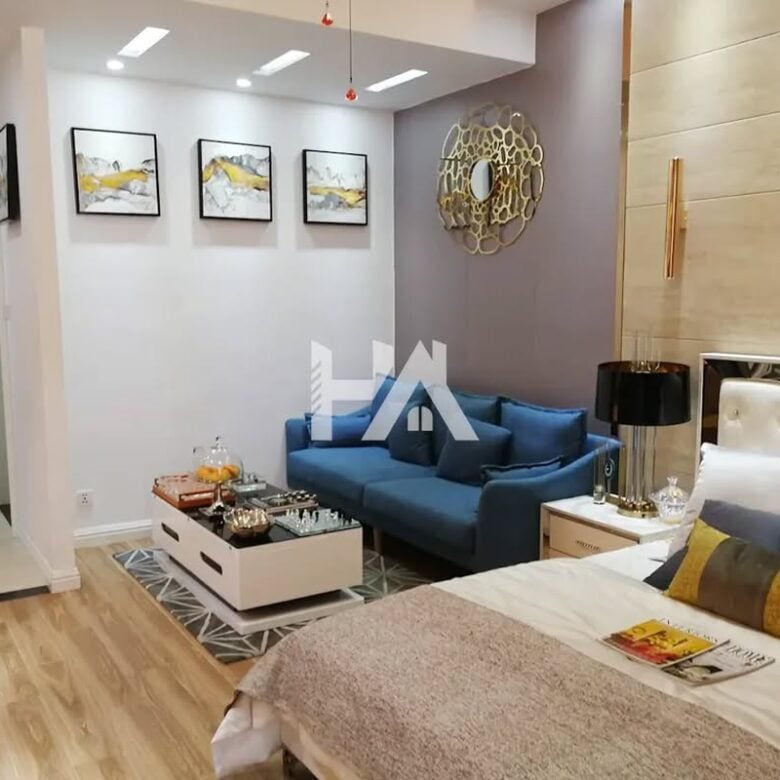
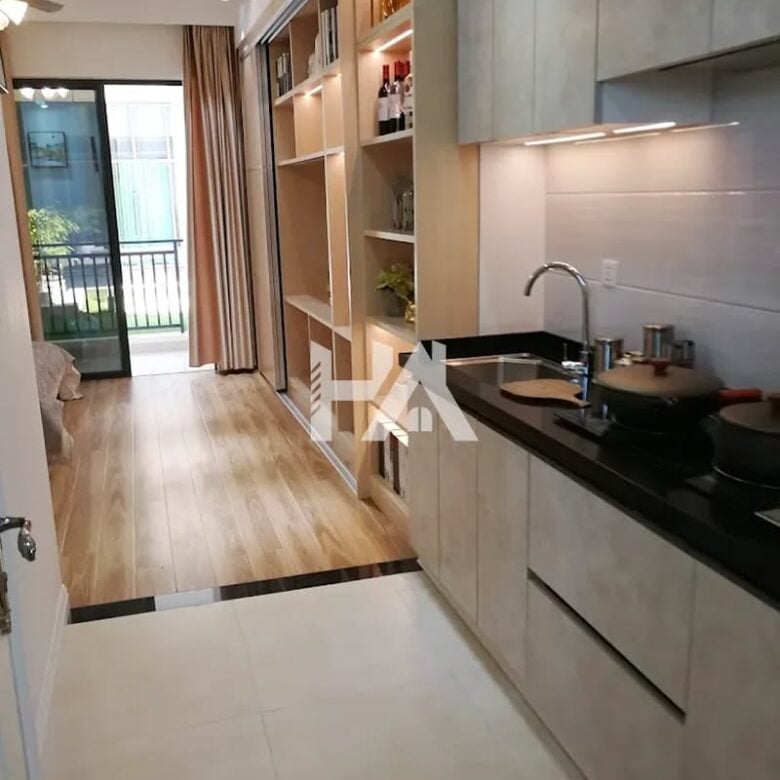
Most unit layouts are compact-to-mid-sized city apartments. Ranges are about 50–88 sqm, typically 1–2 bedrooms (often with multiple layout “types”).
In practical terms, that usually means:
- smaller 1-bed units that work for singles/couples who want a simple commute and building amenities
- larger 2-bed units that suit small families or people who want a home office setup
Facilities and building services
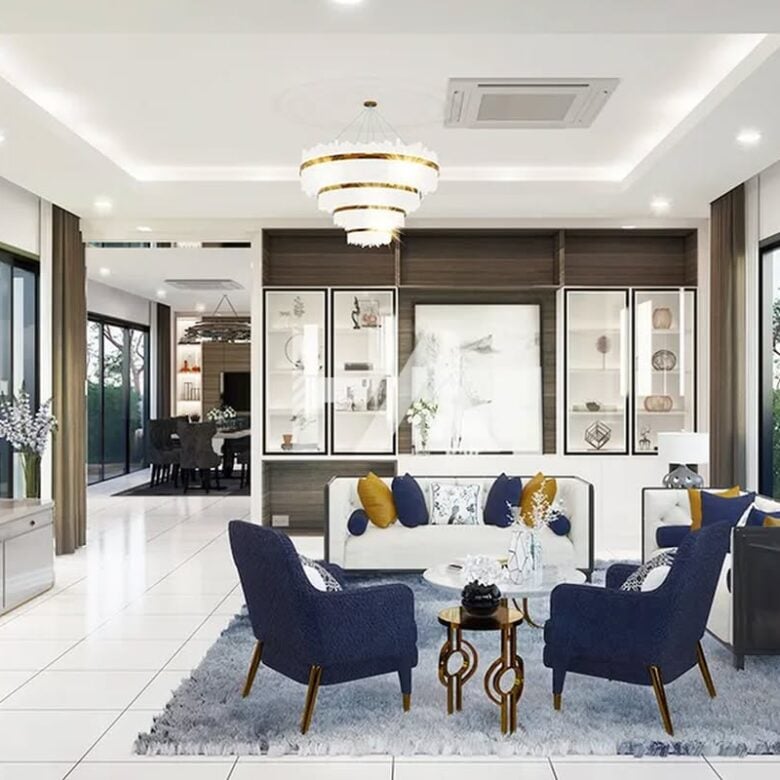
Facilities for The Parkway typically include the basics you’d expect in a modern Phnom Penh high-rise with pool, gym, garden/common areas, lifts and 24/7 security. Safety systems such as fire sprinklers/alarm systems are also commonly listed as part of the building services package.
Fees and running costs
In buildings like this, the important recurring costs are management fees and parking. For The Parkway specifically, management fees are generally around $1–$2 per sqm per month depending on unit type and what’s included.
Parking is usually treated separately; around $60/month for a car and roughly $6–$10/month for a motorbike, but owners/management packages can vary.
Who this building fits
The Parkway tends to fit people who want a big-building lifestyle: predictable amenities, security, elevators and a neighborhood with lots happening nearby. It can be a good match for:
- owner-occupiers who want a convenient base near Toul Kork/Tuol Sangke
- tenants who value amenities and security more than having a quiet, low-density building
- buyers comparing yield vs. upkeep (because higher-density projects often mean more competition among rental units)
If someone wants a super quiet vibe, a small community feel, or very low monthly fees, this style of project may feel too “busy” just due to scale and traffic patterns around Street 273.
What to check before you buy or rent here
Because this is a large, mature condo, it’s worth doing a quick checklist on any specific unit:
- confirm the exact net vs. gross size and what’s included in the floor area
- confirm management fee rate, what services it covers and any sinking fund rules (if applicable)
- verify parking availability and monthly cost
- test mobile signal, elevator wait times at peak hours, water pressure and noise level for the unit’s
Location
- District Toul Sangkae, Russei Keo
- City Phnom Penh
Frequently Asked Questions (FAQ)
Can foreigners own condos in Cambodia?
Yes. Foreigners can legally own condominiums in Cambodia in their own name under a strata title structure. This was made possible by the 2010 foreign ownership law, which allows legally qualified foreigners to own private units in registered co-owned buildings.
There are a few conditions. You can only own units from the first floor and above. Ground floor and basement levels are reserved for Cambodian ownership. Foreign ownership in any single building is capped at 70% of the total private unit area. And the building itself needs to be properly registered as a co-owned building with strata titles issued.
Strata title is the strongest form of property ownership available to foreigners in Cambodia. It gives you full ownership rights, the ability to sell or transfer the unit, and succession rights so the unit can pass to your heirs. If you’d like to understand the legal framework in more detail, feel free to contact our team.
What is a strata title, and how is it different from other property titles?
Cambodia has three main types of property title: soft title, hard title, and strata title.
A soft title is locally registered proof of possession, but it’s not full national-level ownership. It carries higher risk, especially for foreigners.
A hard title is ownership registered in Cambodia’s national cadastral system. This is the strongest form of land ownership, but foreigners cannot hold hard titles for land or landed property.
A strata title is essentially a hard-title-style ownership certificate designed specifically for individual condo units within a co-owned building. It separates ownership of your unit from the land the building sits on, which is what makes foreign ownership possible. Your name goes on the title, and it’s recorded in the national system.
For foreign buyers, strata title is the only property ownership structure where you hold the title directly in your own name with full legal protection.
What does "off-plan" property mean?
Off-plan means the building is either not yet under construction or is currently being built. You’re purchasing a unit before the project is completed, usually at a lower price than what the same unit would cost after handover.
Off-plan purchases in Cambodia typically follow a structured payment plan: you pay a deposit (usually 10% to 30%), then make regular installments during the construction period (commonly around 1% of the purchase price per month), and pay the remaining balance at handover when the building is complete.
The advantage is that you spread payments over the construction period rather than paying everything upfront. The trade-off is that you’re committing to a project that won’t be finished for two to four years, so the developer’s track record and the project’s fundamentals matter.
How do payment plans work for off-plan condos in Cambodia?
The standard structure for most off-plan condo projects in Cambodia looks something like this:
A booking fee of $1,000 to $3,000 to reserve the unit. Then a deposit of 10% to 30% when you sign the Sales and Purchase Agreement (SPA). After that, monthly or quarterly installments during construction — often around 1% of the purchase price per month. Finally, the remaining balance (typically 30% to 50%) is due at handover when the building is complete.
The exact split varies between developers and projects, and everything is laid out in the SPA before you commit. Some developers also offer post-handover financing at around 8% to 12% interest if you don’t want to pay the full balance in one lump sum at completion.
One thing to note: some buyers choose to send payments quarterly or semi-annually rather than monthly to reduce bank transfer costs. We help our buyers plan this out based on their situation.
What are the costs of owning a condo in Cambodia?
Cambodia has relatively low ongoing ownership costs compared to most Western markets. The main recurring costs are:
Monthly management fees, which typically range from about $0.80 to $1.50 per square metre depending on the building. Most projects fall around $1.00 per square metre. So for a 50 sqm one-bedroom unit, you’d pay roughly $50 per month.
Annual property tax, which is 0.1% of the taxable base. The taxable base is 80% of the property value, and there’s a deduction of $25,000 before the tax applies. In practice, for a standard one-bedroom condo, this usually works out to under $100 per year for most condos.
Fire insurance is optional but recommended, particularly for remote owners. Annual premiums are typically under $100 for a standard unit.
There’s no recurring stamp duty, no council rates, and no land tax on strata-titled condos. The gap between gross and net rental yield is smaller here than in many other markets, which is one of the reasons Cambodia is attractive to foreign investors.
What are the typical rental yields in Cambodia?
On well-selected properties in Phnom Penh, gross rental yields of approximately 7.5% to 9% are achievable. Some entry-level units in strong rental locations can push higher, but those headline figures depend on the purchase price, the building’s quality, its management, and the rental market at the time.
Because Cambodia’s ongoing ownership costs are relatively low (no high property taxes, modest management fees) the gap between gross and net yield is smaller than in many Western markets.
Rental performance varies between projects and locations. Not every unit achieves the same return, and factors like building management, tenant demand in the area, and the overall quality of the product all play a role. We provide honest, project-specific rental estimates for every project we work with, based on what we’re actually seeing in the market.
Can I buy a condo in Cambodia remotely?
Yes. Over half of our buyers purchase from outside Cambodia without visiting in person. The entire process — from choosing a project to signing the contract, making payments, handling handover, and transferring the title — can be managed remotely.
For contract signing, we walk you through the SPA via video call, show you exactly where to sign and initial on each page, and arrange courier shipping for the original documents. For handover, we can act on your behalf with a Power of Attorney.
Remote buying does require a good agent on the ground. Documents need to be executed correctly (Cambodia has specific requirements around ink color, thumbprints, and stamps), payments need to be tracked, and there’s a lot of coordination with developers, legal teams, and government offices that happens behind the scenes. This is a core part of what we do for our buyers.
What happens after I buy? What support do you provide?
This is where we focus most of our effort. We believe roughly 80% of the real work happens after the sale, not before.
For off-plan purchases, we provide ongoing construction updates, payment reminders, and direct communication with the developer throughout the build period. When the project reaches handover, we manage the full handover process — inspections, document preparation, and coordination with the developer.
After handover, we assist with title transfer (including all the paperwork, tax payments, and land office coordination), furniture and setup if needed, tenant placement through our network of 100+ agents across Phnom Penh, and ongoing property management.
For resale support, we help with pricing, marketing, buyer negotiations, and the full transfer process. Our role doesn’t end at the sale and we work towards developing long-term relationships with our clients.
How does the title transfer process work, and what does it cost?
Once your condo is paid for and ready to be registered in your name, the title transfer involves two main costs:
The transfer tax (stamp duty), which is 4% of the property value. This is a government tax and is typically the buyer’s responsibility. There are temporary exemptions available for qualifying purchases, but eligibility isn’t automatic and can vary between districts. Check with us before assuming any exemption applies.
Administrative and processing fees for the actual title registration, document handling, and land office procedures. These typically run around $1,500 to $1,800 through our network.
The standard processing timeline is approximately 3 months. Express processing is available at a higher cost, which can bring it down to around 1 month.
If you’re outside Cambodia, we handle the coordination — document shipping, Power of Attorney where needed, and working with the relevant offices to get the title issued in your name.
Do I need an agent to buy a condo in Cambodia?
You don’t have to use an agent. You can walk into a developer’s sales gallery and buy directly. But here’s the important thing: the price is the same whether you buy through an agency or directly from the developer. Developers sign agency agreements that prevent them from undercutting the agencies they work with, so you won’t get a cheaper deal by going direct.
The real question is what happens beyond the purchase itself. This includes contract review, payment tracking, construction updates, handover management, title transfer, furnishing, rental placement, and long-term support. These are the stages where having an experienced agent on the ground makes a practical difference, especially if you’re buying from outside Cambodia.
We also sometimes negotiate extras that aren’t available from the standard price list — additional discounts, furniture packages, free appliances, or other add-ons depending on what the developer is offering at the time.
If you’re considering a purchase, reach out to our team. We’re happy to walk you through the market and explain how the process works, with no obligation
Contact Information
View ListingsNearby Condo Projects
The Park Land Condo TK
Toul Sangkae, Russei Keo, Phnom Penh- Beds: 1 to 3
- Baths: 1 to 2
- 32 m² to 120 m²
- ID: 23277
- Condo Project
- HomeAbroad Cambodia